Payment Gateway Chains: Connecting Live Blackjack to Soccer Parlays Through Reward Layers
Leon Vogel · Jul 10, 2026
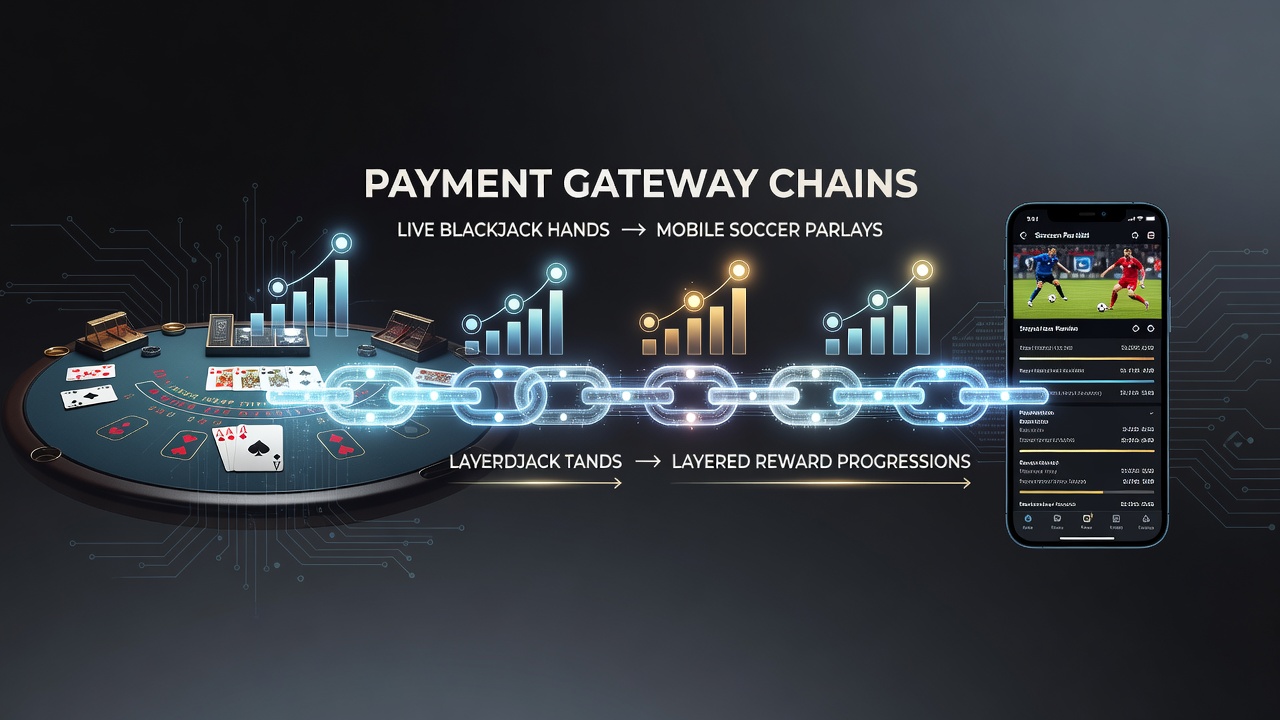
Payment Gateway Chains: Connecting Live Blackjack to Soccer Parlays Through Reward Layers
Payment gateway chains operate as interconnected transaction pipelines that route funds between live dealer platforms and mobile sportsbooks while tracking player activity across both environments; these systems record each blackjack hand outcome and feed the data directly into parlay construction tools on soccer betting apps. Data from industry reports shows that such chains reduce settlement times from several minutes to under thirty seconds in many deployments, and they allow operators to apply progressive multipliers based on cumulative activity rather than isolated sessions.
How Gateway Chains Route Transactions Across Game Types
Operators deploy layered APIs that authenticate a single wallet across casino and sportsbook modules, so a wager placed on a live blackjack table triggers an immediate update in the linked soccer parlay builder; the same wallet balance then supports additional legs without requiring separate deposits. According to figures from the Nevada Gaming Control Board, integrated transaction volumes between table games and sports products grew by 27 percent year-over-year through 2025, reflecting broader adoption of unified payment rails. These rails also log time-stamped events such as card draws or dealer decisions, which feed into reward engines that calculate eligibility for bonus layers without manual intervention.
Layered Reward Progressions and Their Mechanics
Reward progressions function through sequential tiers where each completed blackjack hand contributes points toward soccer parlay enhancements, including boosted odds or cashback percentages that unlock only after specific thresholds are met. One study published by researchers at the University of Nevada, Reno examined similar progressions and found that players who engaged with at least four linked sessions per week showed a 19 percent higher retention rate compared with those using separate accounts. The progression structure typically includes base rewards for initial table play, intermediate multipliers for parlay completion, and top-tier status benefits that apply across both verticals once cumulative volume criteria are satisfied.
Technical Architecture Behind the Integration
Developers use event-driven architectures where each game outcome publishes a standardized payload to a central ledger; the ledger then evaluates rulesets that determine whether the outcome advances the player through reward tiers and simultaneously populates available soccer betting options. Smart contract elements on permissioned blockchains have begun appearing in pilot programs, allowing transparent verification of progression status while maintaining regulatory audit trails. Mobile applications surface these progressions through real-time dashboards that display remaining requirements for the next reward layer, reducing friction for users who switch between live dealer streams and match previews.

Regulatory Context and Implementation Timelines
Jurisdictions continue to refine rules around cross-product promotions, with several frameworks scheduled for review or adjustment around July 2026; these updates focus on ensuring that reward chains do not create unintended inducements while still permitting operators to offer seamless experiences. Data compiled by the Australian Gambling Research Centre indicates that markets with clear technical standards for payment integration report lower dispute rates between players and operators, particularly when transaction logs remain accessible for independent verification. Operators in these regions have adjusted their gateway configurations to accommodate new reporting fields that track progression velocity and cross-vertical spend ratios.
Observed Patterns in Player Behavior
Analytics platforms tracking aggregated anonymized data reveal that participants who begin sessions at live blackjack tables frequently extend activity into soccer markets once reward tiers become visible, creating longer engagement windows within a single login. Payment chains facilitate this movement by preserving session context and balance information, eliminating the need for repeated authentication steps. One analysis released by the Canadian Centre for Gaming Research documented average session duration increases of 14 minutes when such linkages were active, attributing the change to reduced barriers between product types rather than any alteration in game rules.
Conclusion
Payment gateway chains that link live blackjack outcomes directly to mobile soccer parlay construction through layered reward structures represent a measurable shift in how operators manage cross-vertical player journeys. Technical implementations continue to evolve alongside regulatory reviews planned for mid-2026, while data from multiple research bodies documents consistent patterns in transaction speed, retention metrics, and session extension. These systems rely on standardized data flows and tiered evaluation engines to deliver coordinated experiences without compromising separate compliance requirements for each product category.