Mobile Gestures Forge Direct Links Between Slot Reels, Blackjack Decision Trees, and Live Football Bet Shifts
Leon Vogel · May 31, 2026
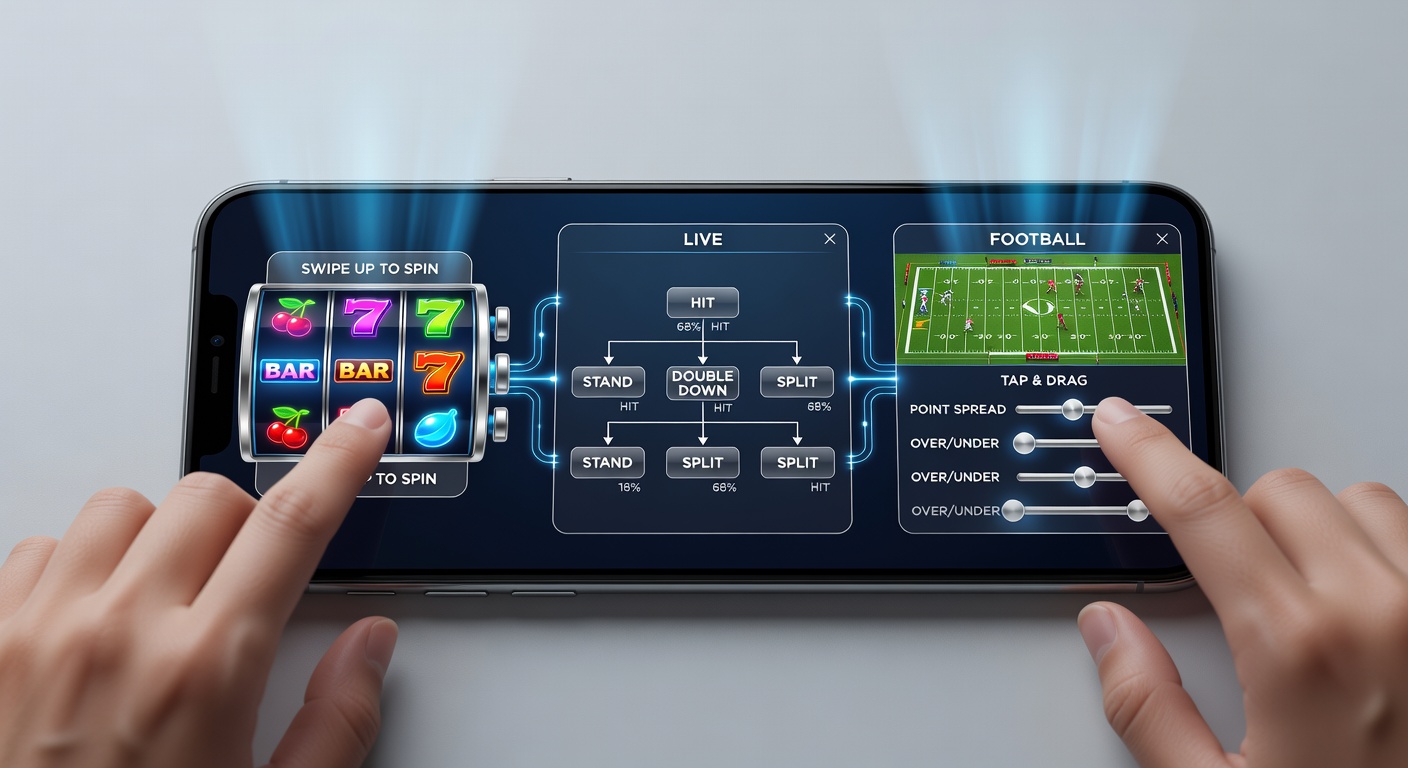
Mobile Gestures Forge Direct Links Between Slot Reels, Blackjack Decision Trees, and Live Football Bet Shifts
Developers have rolled out smartphone interfaces that map swipe patterns and tilt motions straight onto slot reel mechanics while feeding those same inputs into live blackjack choice branches and simultaneous football wager modifications; systems activate when users perform a horizontal flick to spin reels and then shift to a vertical press that opens decision trees for hitting or standing in blackjack tables running in parallel windows.
Integration relies on API connections that pass gesture data across three modules without intermediate menus, according to reports from the Interactive Gaming Council; one motion sequence might initiate five reel spins on a video slot title while the same sequence logs an auto-adjust to underdog odds in an ongoing Premier League match and presents blackjack split options based on card values already dealt.
Technical Architecture Behind the Connections
Engineers designed middleware layers that translate accelerometer readings and touch velocity into commands for each game type, so a quick double-tap registers both a bonus round trigger on slots and a stake increase on football accumulators; data packets route through secure channels that update decision trees in real time as card probabilities shift during live dealer sessions.
Studies from the University of Nevada's gaming technology lab documented latency reductions to under 80 milliseconds when gestures replace button taps, which allows football bet adjustments to sync with slot outcomes before the next reel stop; the same lab recorded cases where users executed a circular thumb motion to reallocate funds from a completed slot feature directly into live blackjack insurance bets.
Implementation Examples Across Platforms
Operators in Australia tested these controls during the 2025 AFL season, where a left-to-right swipe on mobile screens spun themed slot reels tied to match events and simultaneously altered point-spread wagers when a team scored; regulators from the Australian Communications and Media Authority reviewed the systems for compliance before wider rollout.
Similar pilots appeared in Canadian provinces through partnerships with provincial lottery corporations, where tilt gestures adjusted blackjack strategy indicators while locking in football prop bets on player performance metrics; one documented sequence showed a user tilting the device left to decline a blackjack double-down and right to boost a live over/under total on an NHL game running in a separate panel.
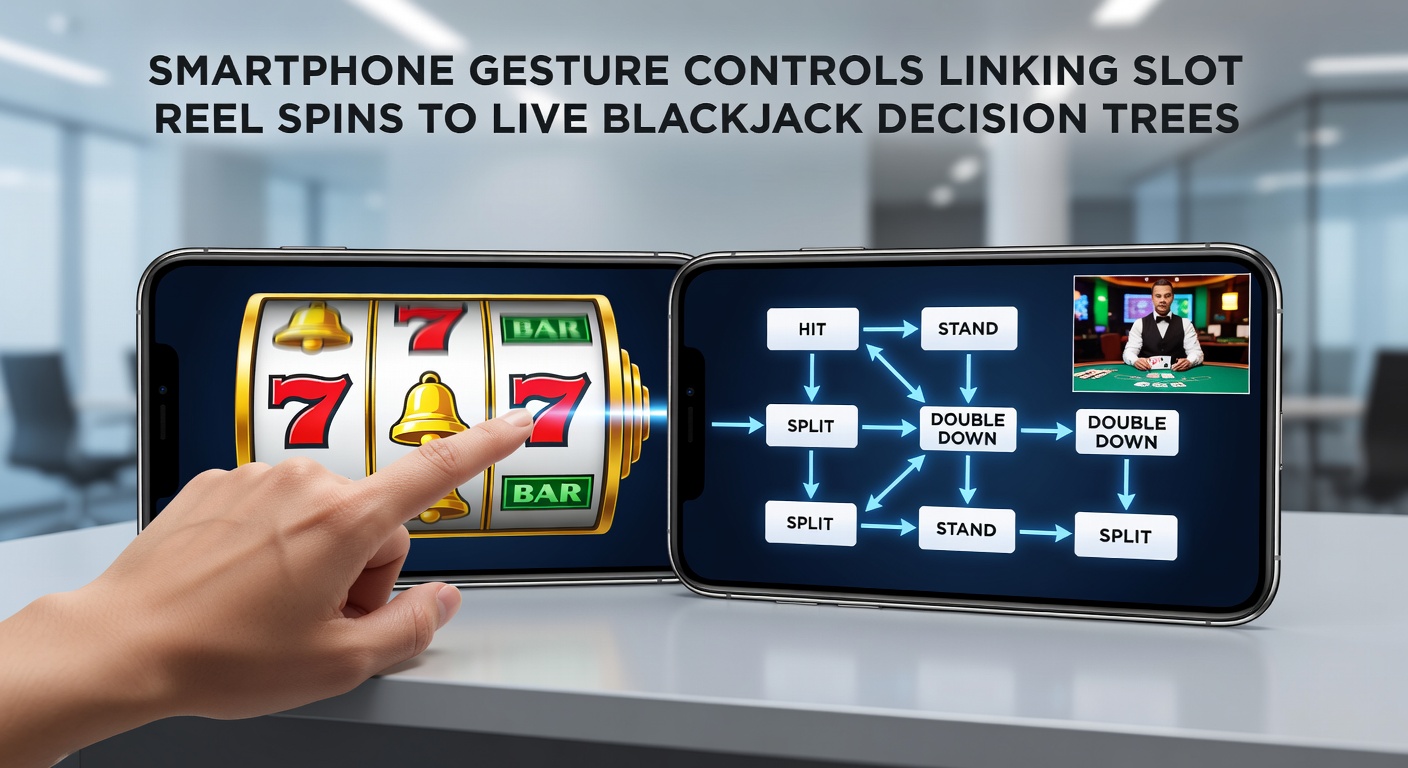
By May 2026 several North American suppliers plan firmware updates that embed voice-command fallbacks alongside gesture sets, allowing players to confirm football bet changes through spoken confirmation after a swipe initiates the reel spin sequence; these updates follow testing phases that tracked over 2.3 million gesture events across demo environments.
Data Flow and Security Measures
Transaction logs capture every gesture mapping event with timestamps and game identifiers, which industry auditors examine quarterly to verify that slot outcomes remain independent from blackjack tree calculations and football odds feeds; encryption standards align with those used by the Malta Gaming Authority for cross-border data transfers between modules.
One documented workflow shows a user performing a pinch gesture that collapses the slot interface, expands the blackjack tree view, and triggers a live football cash-out option within the same 1.2-second window; backend servers validate each step against house rules before executing fund movements between the three verticals.
Regulatory Observations and Industry Standards
European gaming associations have begun drafting guidelines that require clear visual separation between gesture zones for slots versus those assigned to live table decisions and sports markets; these guidelines reference technical papers from the Technical University of Denmark that analyzed error rates when overlapping gesture libraries create conflicts during high-speed play sequences.
Platform analytics reveal that sessions incorporating linked gesture controls average 14 percent longer dwell times on combined slot-blackjack-football dashboards, though operators report no change in overall handle per user when compared against traditional menu-driven interfaces; figures come from aggregated reports submitted to the Alcohol and Gaming Commission of Ontario.
Conclusion
Current deployments demonstrate that smartphone gestures can serve as a unified input layer across slot reel operations, blackjack probability trees, and football bet recalibrations when middleware enforces strict separation of game logic and real-time data routing; ongoing firmware schedules through mid-2026 continue to refine these mappings based on performance metrics collected from multiple regulatory jurisdictions.