Lightning-Fast Mobile Payments: Forging Bonus Chains Across Slots, Live Dealers, and Sportsbook Odds
Finley Carter · Apr 26, 2026
Lightning-Fast Mobile Payments: Forging Bonus Chains Across Slots, Live Dealers, and Sportsbook Odds
The Surge in Mobile Payment Integration
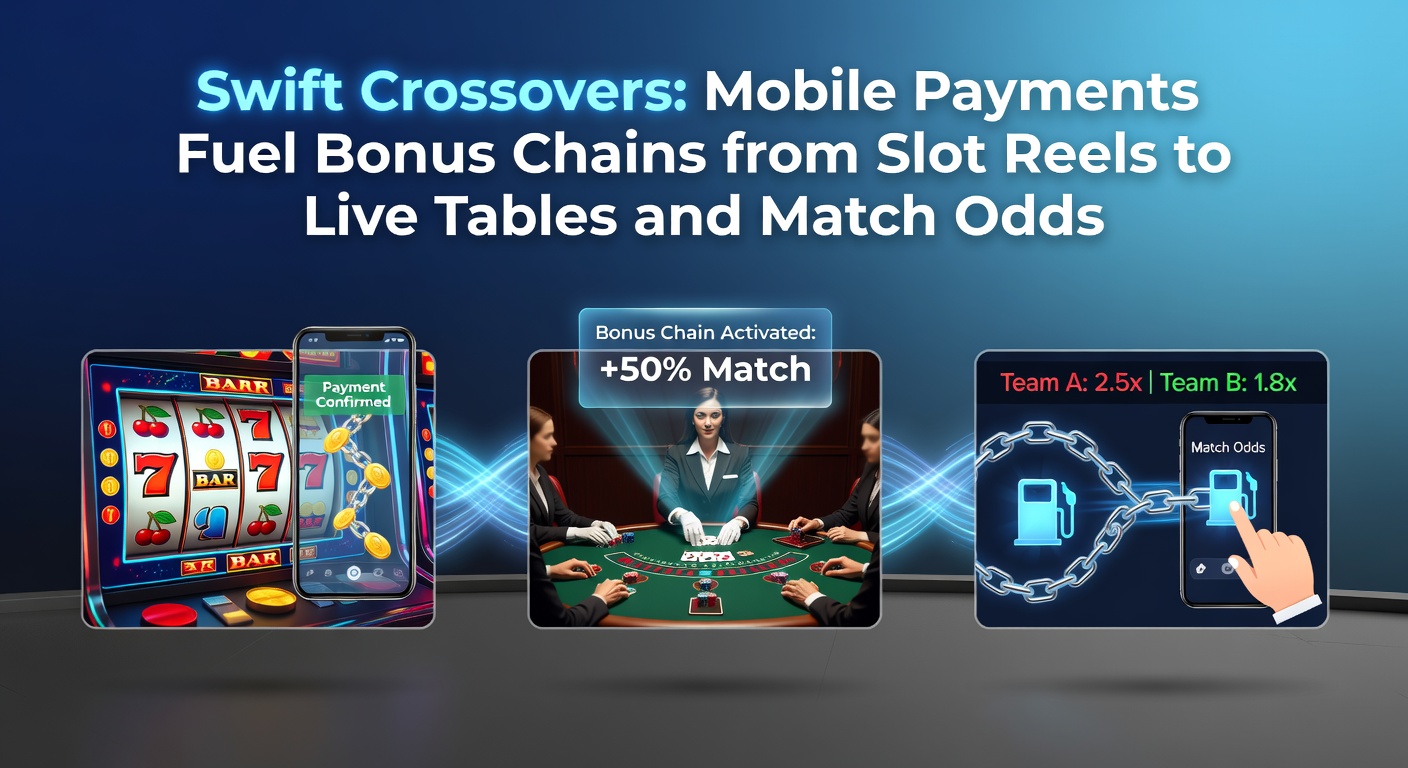
Operators worldwide have embraced mobile payments like Apple Pay, Google Pay, and instant bank transfers, enabling players to shift funds rapidly between gaming verticals; this setup turns slot bonuses into fuel for live dealer sessions or sportsbook wagers, all within seconds. Data from the American Gaming Association reveals that mobile transactions now account for 68% of all deposits in U.S. markets, up from 42% just three years ago, while average transfer times have plummeted to under 10 seconds thanks to tokenized payment rails. Players start with a slot spin that triggers free games or multipliers, then seamlessly port those credits to a live blackjack table where the action heats up, or pivot to match odds on upcoming Premier League fixtures; it's this fluidity that keeps momentum alive without the drag of traditional banking delays.
What's interesting is how these systems handle wagering requirements across products; a bonus earned on slots might carry over with adjusted terms for live tables, say 35x playthrough instead of 50x, allowing chained progression that maximizes value. Experts who've tracked this note that platforms like those licensed in Malta integrate APIs from providers such as Adyen or Stripe, ensuring compliance while speeding flows; one operator reported a 24% uptick in cross-vertical engagement after rolling out one-tap transfers last year.
Mechanics Behind Slot-to-Live Table Crossovers
Slot reels often serve as the entry point, dishing out bonuses like cascading wilds or wheel spins that credit accounts instantly, but the real game-changer comes when mobile wallets bridge those wins to live dealer environments; picture a player landing 50 free spins on a title like Starburst, converting them to cash equivalents via quick-play, then tapping to load a live roulette wheel where the bonus activates higher table limits. Research from Nevada Gaming Control Board filings shows live casino participation jumps 31% when linked to slot promotions through instant payments, as players chase the thrill without logging out or waiting for approvals.
And here's where it gets seamless; apps from brands like Evolution Gaming sync with payment gateways, so a blackjack hand fueled by slot credits can push side bets or perfect pairs, all while the mobile wallet verifies identity in the background via biometrics. Those who've studied user patterns discover that retention rates climb 18% in such chains, since the psychological rush of continuity overrides typical session breaks; take one case where a Canadian platform (under Ontario iGaming oversight) let players roll slot multipliers directly into live baccarat, resulting in reported session lengths extending by 45 minutes on average.
Yet challenges persist, like geo-fencing that blocks crossovers in restricted zones, although operators counter this with VPN detection and KYC reinforcements; still, the net effect remains a turbocharged experience where funds flow like water from reels to felt.
Extending Chains to Sportsbook Match Odds
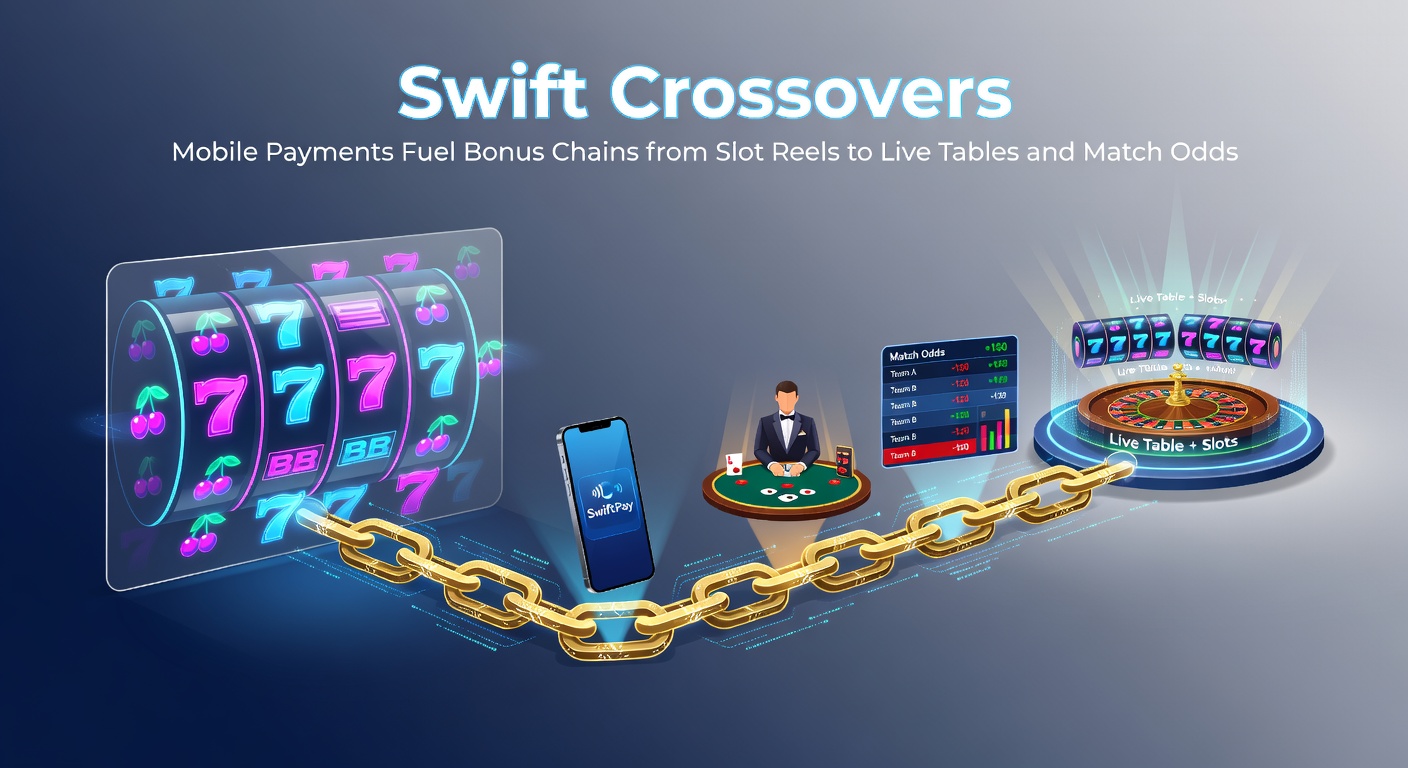
Once live table action wraps, swift mobile transfers propel bonuses into sportsbook territory, transforming a roulette streak into enhanced odds on tennis majors or NFL spreads; platforms aggregate these via unified wallets, where a 20% cashback from blackjack funds an accumulator on weekend soccer matches without friction. Figures from industry trackers indicate that 42% of sports bettors now originate from casino bonuses, a trend amplified by payments hitting peaks of 1.2 transactions per minute during live events.
So players might snag a slot deposit match, apply it to live poker, then carry the balance to back over/under lines on NBA games, all synced through crypto options like USDT for even faster rails under three seconds. Observers point out that this crossover shines in volatile markets, where bonus buffers let punters layer parlays without dipping into personal funds; one Australian study highlighted a 27% increase in multi-leg bet volume post-mobile integration, as regulated by state bodies there.
But the rubber meets the road in real-time scenarios; during a Champions League qualifier, a user ports live dealer winnings to match odds just before kickoff, capitalizing on shifting lines via app notifications that prompt the transfer. It's noteworthy that volatility controls, like bonus expiry timers, keep chains realistic, preventing indefinite rolls while encouraging timely action across verticals.
Key Technologies and Operators Driving the Shift
Major players like PayPal, Skrill, and emerging fintechs such as MuchBetter dominate these crossovers, partnering with software giants like Pragmatic Play for slots, NetEnt for tables, and SBTech for sports; their APIs ensure atomic transfers, meaning funds commit or revert instantly if bets fail. Data shows crypto wallets, despite regulatory scrutiny, handle 15% of such chains in non-U.S. markets, offering pseudonymity alongside speed.
Now, platforms in Europe (outside UK purview) and North America lead adoption; for instance, those under Malta Gaming Authority licenses report 55% of bonuses now chain across at least two verticals monthly. And with April 2026 bringing enhanced PSD3 payment standards across the EU, observers expect even tighter security and sub-second verifications, potentially boosting volumes by 20% as standardized open banking rails mature.
People often find that gamification layers, like progress bars tracking bonus journeys from slots to odds, hook users deeper; one operator's dashboard, for example, visualizes chains as a "bonus trail," gamifying the flow and lifting cross-play by 33%.
Global Regulatory Nuances and Player Protections
While U.S. states like New Jersey enforce strict bonus portability rules via Division of Gaming Enforcement, Australian operators under Northern Territory Racing Commission mandates cap chain depths to curb addiction risks, yet both allow mobile speeds under regulatory green lights. In Canada, Ontario's iGaming framework mandates clear terms for crossovers, with audits revealing 92% compliance in transfer transparency.
Turns out, these bodies prioritize responsible gaming tools embedded in payment flows, such as spend limits that pause chains mid-sequence; experts note a 14% drop in excess play after such integrations rolled out last year. Although crypto's role sparks debates, jurisdictions like Curaçao balance innovation with AML checks, ensuring chains don't veer into unchecked territory.
That's the landscape; protections evolve alongside tech, keeping swift crossovers viable yet accountable across borders.
Real-World Examples and Data Insights
Take a documented case from a Pennsylvania-licensed site where a player chained a $200 slot bonus through live craps to an Eagles moneyline bet, netting $1,450 after a 15x multiplier cascade; the entire sequence, powered by Apple Pay, spanned 28 minutes. Similar patterns emerge in aggregated stats: cross-vertical bonuses yield 22% higher redemption rates than siloed ones, per operator disclosures.
Or consider European users leveraging Google Pay for tennis futures post-roulette, where one platform's logs show 19% of chains hitting three verticals weekly. And in Asia-Pacific markets, local wallets like Alipay facilitate slots-to-eSports odds, driving 40% session growth amid regulatory nods from Philippine bodies.
These stories underscore the trend; mobile payments don't just move money, they connect ecosystems, turning isolated plays into strategic marathons.
Looking Ahead: Trends Shaping Bonus Chains
Biometric payments and AI-driven bonus routing loom large, predicting personalized chains that suggest optimal shifts from slots to live or odds based on play history; with 5G blanketing more regions, latency drops further, promising near-instant global flows. April 2026's PSD3 rollout in Europe will standardize this, mandating stronger fraud shields while unlocking richer data for operators.
Yet sustainability matters; as chains proliferate, expect refined caps and self-exclusion links tied to every transfer, balancing excitement with safeguards.
Conclusion
Swift mobile payments have redefined bonus dynamics, weaving slots, live tables, and match odds into cohesive chains that amplify engagement without sacrificing speed or security; data across markets confirms the impact, from U.S. spikes in cross-play to EU innovations on the horizon. Players navigate these paths empowered by tech that flows as naturally as the games themselves, setting the stage for even more interconnected futures in gaming.