Instant Funding Waves Reshaping Live Betting Dynamics and Promo Strategies
Frankie Klein · May 17, 2026
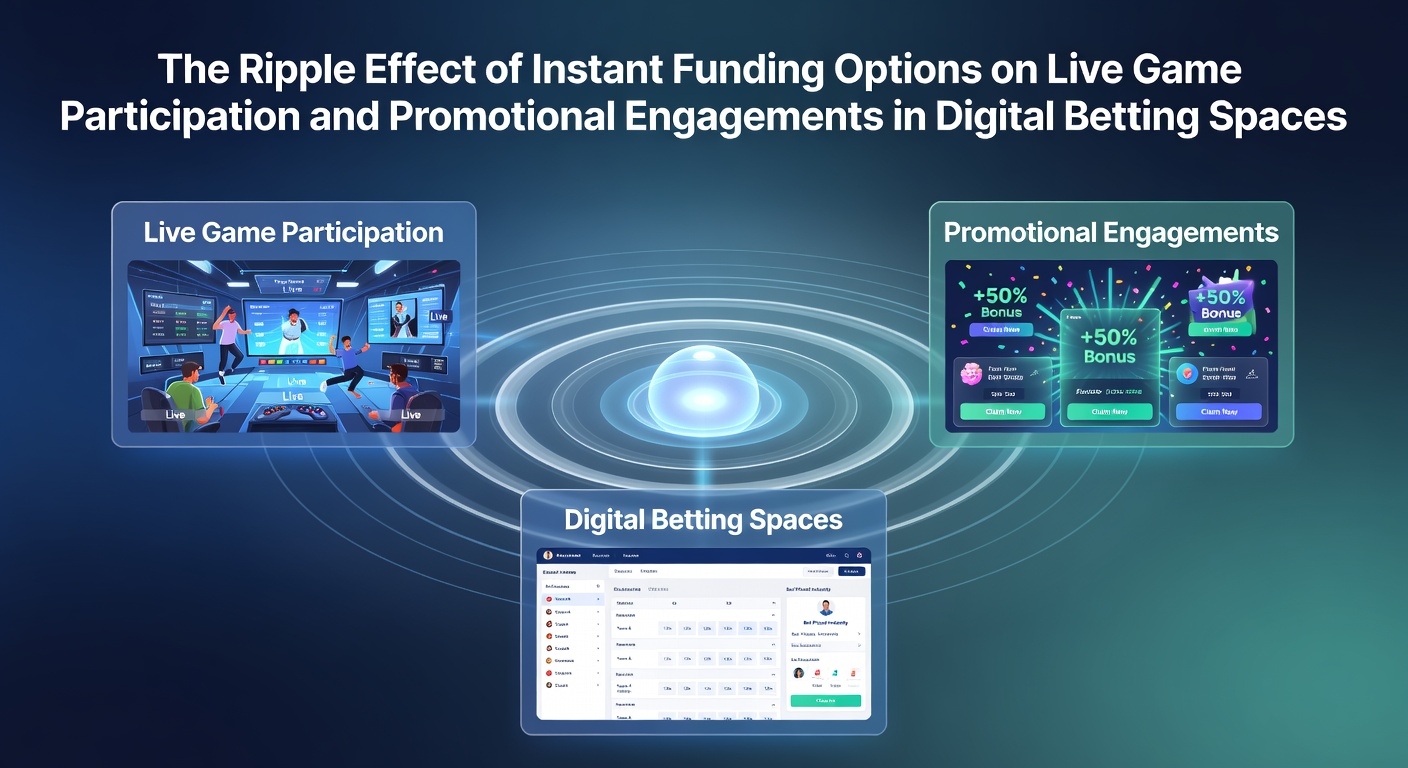
Instant Funding Waves Reshaping Live Betting Dynamics and Promo Strategies
Digital betting platforms have integrated instant funding mechanisms such as e-wallets, cryptocurrency transfers, and real-time card authorizations that allow players to move money into accounts within seconds rather than minutes or hours, and this shift has produced measurable changes in how users engage with live dealer games and promotional offers. Research from industry tracking firms shows participation in live roulette and blackjack sessions rising by double-digit percentages in markets where these options expanded between 2024 and 2025, while bonus activation rates climbed in parallel because deposits no longer created friction between the decision to play and the actual start of a session.
Mechanics Behind the Funding Shift
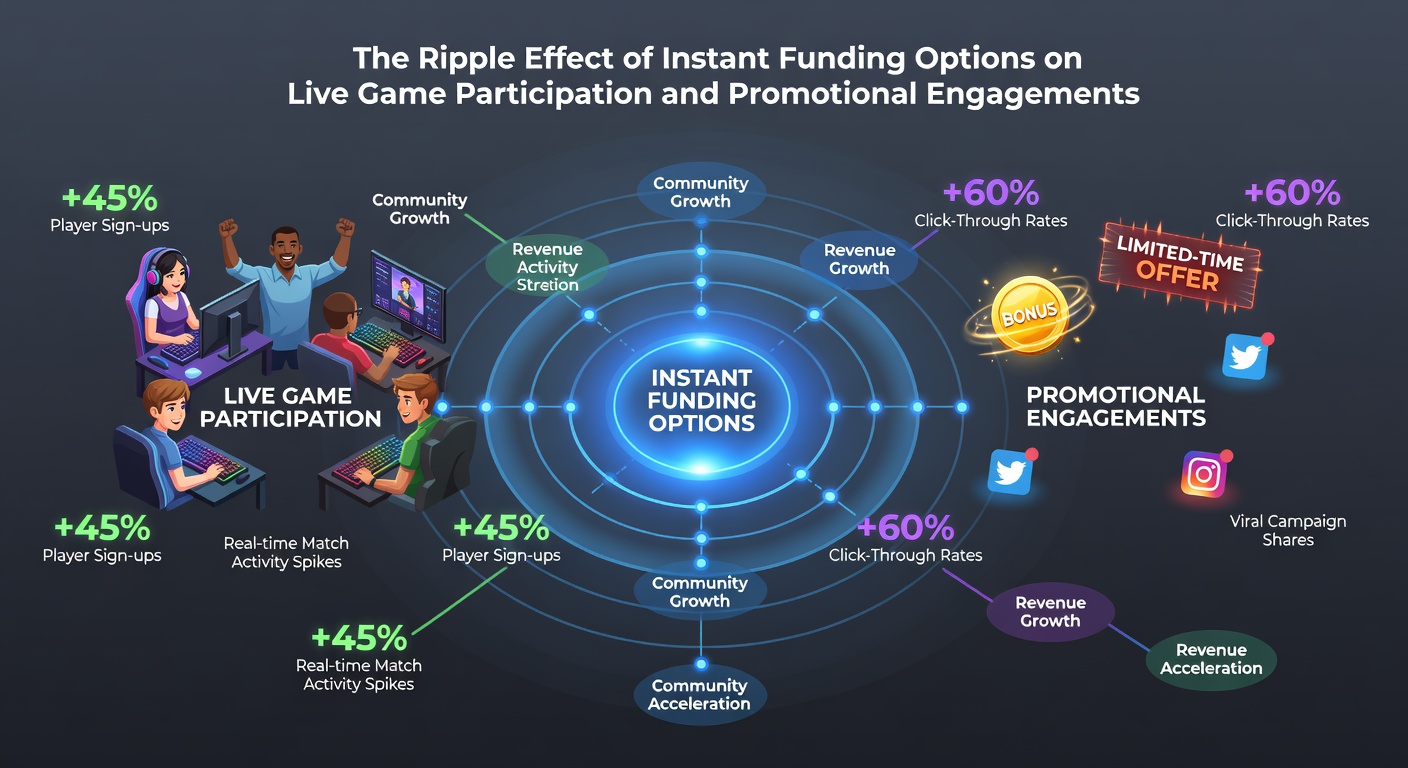
Operators rolled out API connections to payment providers that confirm transactions almost immediately, which means a player selecting a live table can complete a deposit and join the action without leaving the game window. Data collected by the European Gaming and Betting Association indicates that platforms offering sub-10-second funding saw average session starts increase compared with those still relying on traditional bank transfers, and the same datasets reveal promotional banners triggered at the moment of deposit receive higher click-through rates when funding completes without delay.
These systems also support stacked promotions where an initial deposit unlocks free spins that convert directly into live table credits or matched bets on upcoming sports events, and operators track these chains through unique promo codes that remain active across game categories. Observers note that such cross-category linkages reduce the time between bonus claim and live game entry, producing higher retention figures in the first hour after deposit according to anonymized platform analytics shared at recent trade conferences.
Participation Patterns in Live Environments
Live game lobbies now register more concurrent users during peak evening hours in regions with widespread instant funding adoption, and operators attribute part of this growth to the removal of deposit wait times that previously caused users to abandon carts mid-process. A University of Nevada study on digital gambling behavior released in early 2026 found that players using instant options entered live sessions 1.7 times more frequently per week than those limited to slower methods, while average wager sizes per session held steady rather than spiking, suggesting broader but not necessarily riskier participation.
Case examples include platforms that introduced crypto rails in 2025 and subsequently reported live dealer table occupancy rates climbing from 62 percent to 81 percent within six months, with the largest gains occurring in blackjack and baccarat rooms where quick re-buys matter most. Those same platforms documented promotional engagement rising because deposit-triggered offers appeared instantly on the live interface instead of requiring players to navigate separate bonus sections after funding cleared.
Promotional Engagement and Cross-Game Linkages
Promotions tied to instant deposits often include time-limited multipliers that apply across live tables and sportsbooks, and tracking data shows users who activate these offers within the first minute of deposit demonstrate higher completion rates for playthrough requirements. Reports compiled by the Australian Gambling Research Centre highlight that bonus conversion into live game wagers increased notably after several major operators streamlined funding options in late 2025, with May 2026 figures indicating continued upward movement in jurisdictions that permit such integrations.
Operators have responded by creating unified wallets that carry promotional balances directly into live environments without additional steps, and this design reduces drop-off between bonus receipt and actual play. Figures reveal that live game promotional redemptions now account for a larger share of total bonus activity than they did prior to instant funding rollout, while slot-only redemptions have declined proportionally in the same datasets.
Regulatory Context and Market Data
Regulatory bodies in multiple regions have begun requiring operators to disclose funding times as part of consumer protection reporting, and early returns from these mandates show correlations between faster deposits and increased live participation metrics. Industry reports prepared for the Interactive Gaming Council document similar patterns across North American and Asian markets, where platforms advertising instant options attract higher volumes of new accounts that migrate quickly into live dealer categories rather than remaining in automated game sections.
These developments coincide with platform updates scheduled through spring 2026 that further compress funding intervals, and preliminary analytics shared at sector meetings suggest the trend toward integrated live and promotional play will continue as long as payment rails maintain current speeds. Operators continue to monitor responsible gaming indicators alongside participation growth to ensure the observed increases do not correlate with elevated problem gambling signals in any single demographic.
Conclusion
Instant funding options have produced measurable ripple effects across live game participation and promotional engagement metrics in digital betting environments, with data consistently showing higher session initiation rates and faster bonus-to-play transitions once deposit friction disappears. Platforms that adopted these systems earlier now operate with updated interfaces that keep users inside live lobbies for longer stretches while promotional offers activate in real time, and ongoing market measurements through May 2026 indicate the pattern persists across varied regulatory landscapes.