Engineering Seamless Cross-Genre Bonus Structures in Mobile Wagering Applications
Ben Becker · Jul 14, 2026
Engineering Seamless Cross-Genre Bonus Structures in Mobile Wagering Applications
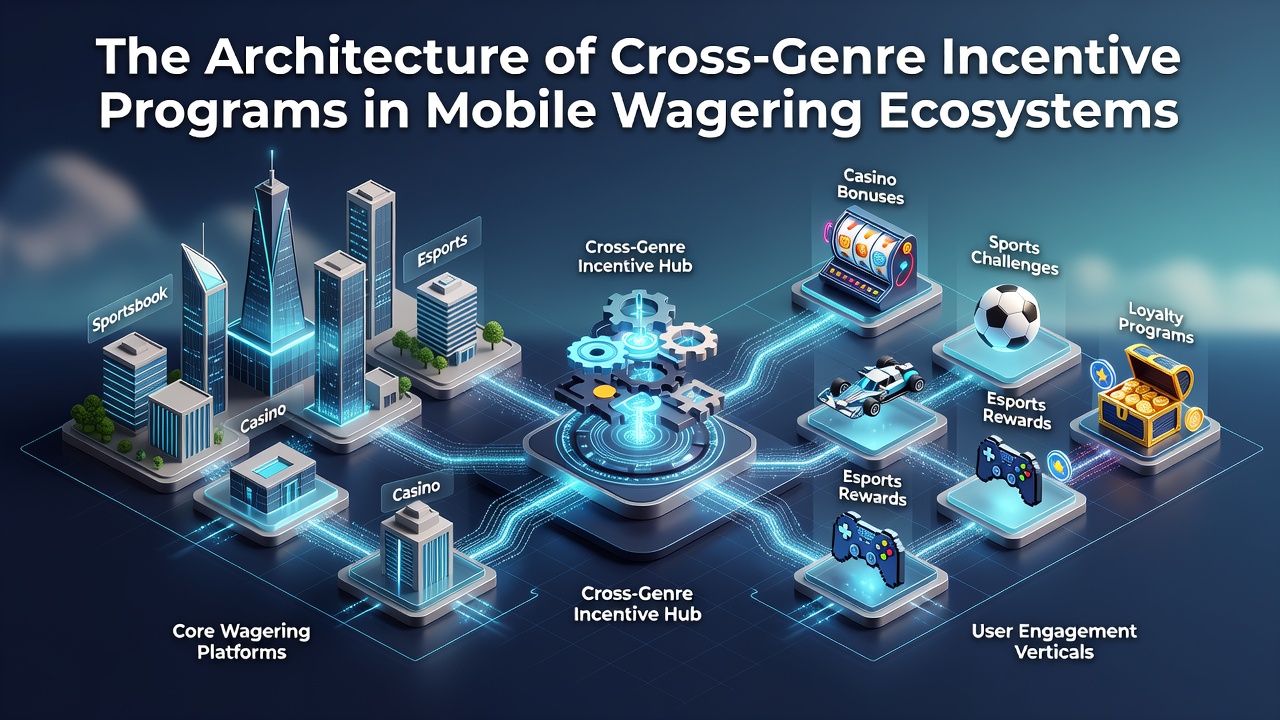
Cross-genre incentive programs in mobile wagering ecosystems combine rewards from casino games, sports betting, and live dealer tables into unified loyalty frameworks that operate across single applications. These structures rely on centralized user accounts that track activity from multiple verticals while converting points, multipliers, and free plays into interchangeable credits. Data from industry reports indicate that operators deploy API-driven backends to synchronize balances in real time, allowing seamless transfers between slot spins and accumulator bets without requiring separate logins or wallets.
Core Architectural Elements
At the foundation sit modular databases that segment player profiles by game type yet merge them under a single loyalty tier system. Developers integrate event listeners that capture every wager, win, and deposit, then feed those metrics into algorithms calculating cross-genre eligibility. Observers note that tier progression often accelerates when users complete tasks in both casino and sports sections, such as placing a minimum number of football bets alongside roulette rounds within a set period. This design reduces churn by maintaining engagement across disparate genres through shared progress bars and unified leaderboards.
Payment rails connect directly to these systems so that deposits made via e-wallets or cards trigger immediate bonus allocation regardless of the intended game category. Research indicates that such architectures frequently incorporate geofencing and age-verification layers to maintain compliance across jurisdictions, while still permitting instant movement of promotional funds between verticals.
Technical Integration Methods
Mobile applications achieve these connections through microservices that isolate each genre's game engine yet share a common rewards middleware layer. When a user completes a sports parlay, the middleware updates a central ledger that simultaneously unlocks slot free spins or live table multipliers. Studies from academic institutions have examined how real-time synchronization prevents discrepancies that could arise during network interruptions, employing eventual consistency models to reconcile balances once connectivity resumes. Developers also embed machine-learning models that analyze cross-genre patterns to surface personalized offers, such as boosting live dealer bonuses after heavy accumulator activity.
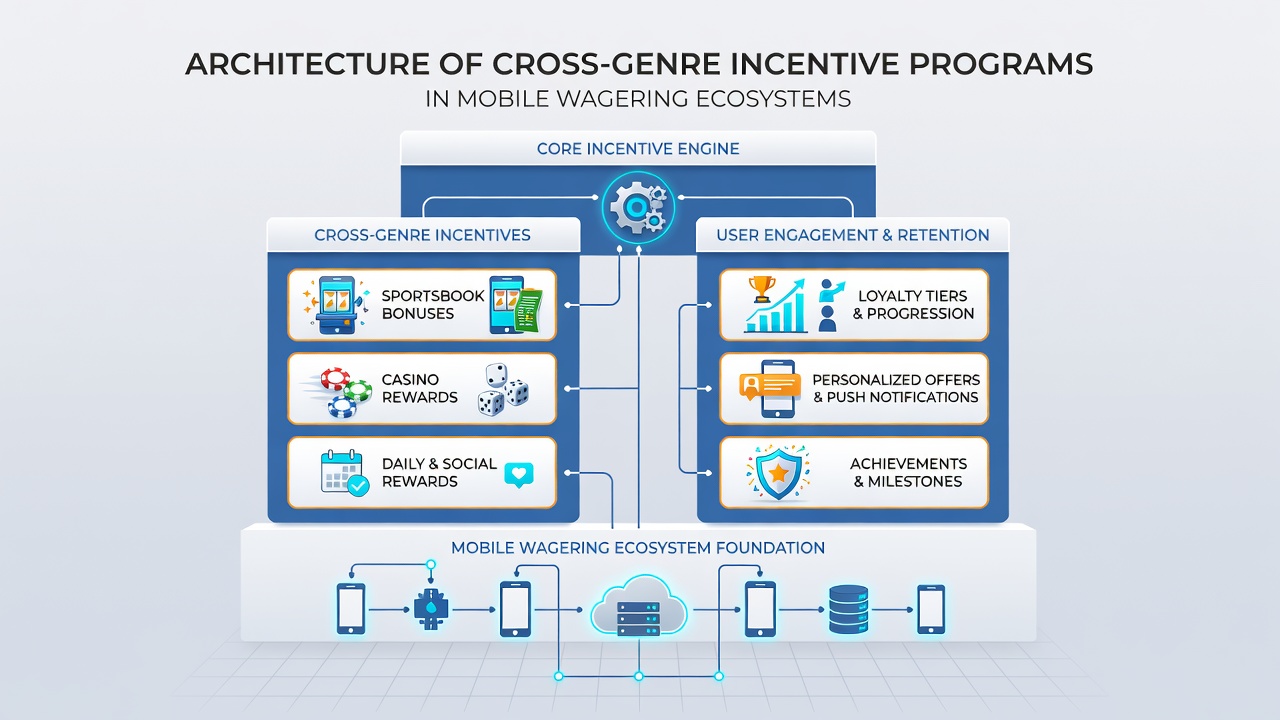
Security protocols wrap these flows with token-based authentication that persists across genre switches, eliminating repeated identity checks. Figures from regulatory filings in multiple regions reveal that operators conduct regular audits of these shared ledgers to confirm that bonus values remain consistent and that no double-counting occurs between verticals.
Examples from Global Markets
One implementation in North American markets links major league sports wagers with video slot progressions through a unified points economy governed by state-specific rules. According to data published by the American Gaming Association, such programs have expanded rapidly as operators standardize APIs to handle multi-state operations. In European contexts, similar frameworks connect live casino sessions with tennis or soccer futures, using aggregated spend thresholds to unlock tiered cashback that applies universally.
Australian operators have tested comparable systems that tie poker table activity to rugby league betting incentives, with reports from government agencies documenting the technical requirements for maintaining separate tax treatments while presenting a single user experience. These examples demonstrate how the underlying architecture adapts to local licensing without fragmenting the incentive layer.
Data Analytics and Personalization Layers
Advanced analytics engines process cross-genre datasets to predict optimal incentive timing and value. Researchers at various universities have published findings showing that users who engage with multiple genres within the same session exhibit higher retention rates when rewards scale dynamically based on combined volume. The systems employ cohort analysis to group players by behavioral clusters, then deliver targeted multipliers that encourage transitions from slots to sports or vice versa. Real-time dashboards allow operators to monitor the velocity of bonus redemptions across categories, adjusting parameters to balance payout ratios.
Privacy controls limit data sharing between genres to what is necessary for reward calculation, while still enabling the holistic view required for accurate tier assignments. This balance supports both operational efficiency and adherence to data protection standards in different territories.
Conclusion
The architecture of cross-genre incentive programs continues to evolve as mobile platforms mature and user expectations for unified experiences grow. Operators refine middleware layers, analytics models, and compliance checkpoints to sustain these interconnected reward ecosystems while meeting diverse regulatory demands. Data from multiple sources confirm that well-designed systems deliver measurable engagement benefits across casino, sports, and live verticals without compromising operational integrity.