Cross-Game Loyalty Systems Bridge Spinner Rewards and Live Event Wagers via Tiered Crypto Transfers
Ben Becker · Jul 28, 2026
Cross-Game Loyalty Systems Bridge Spinner Rewards and Live Event Wagers via Tiered Crypto Transfers
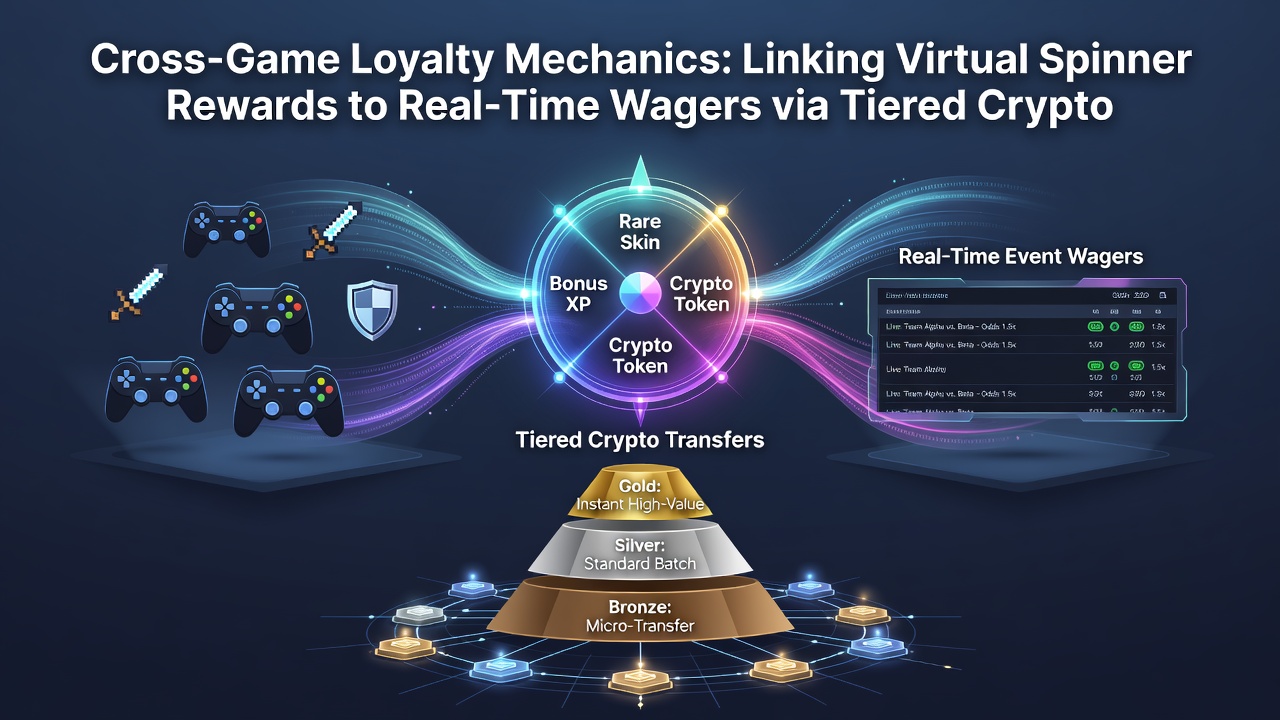
Operators have developed loyalty mechanics that move rewards earned on virtual spinners directly into real-time event wagers, and these systems rely on tiered crypto transfers to handle the movement at scale. The structure lets players accumulate points or credits from slot-style spinners, then convert those holdings into stakeable balances for live events without leaving the same account ecosystem. Data from industry reports shows that such integration has grown as platforms seek to retain users across different product verticals rather than treating slots and sports betting as separate silos.
How Spinner Rewards Enter the Loyalty Flow
Virtual spinner rewards typically originate from base game play on digital reels or similar chance-based titles, where multipliers, free rounds, and loyalty points accumulate according to pre-set algorithms. Once earned, these rewards feed into a central loyalty ledger that tracks value across game types, and the ledger updates in real time as players switch between products. Observers note that platforms assign tier levels to accounts based on activity volume, with higher tiers unlocking faster conversion rates and lower transaction fees during the transfer process. This tiering creates graduated incentives, so frequent users see quicker movement of credits into wager-ready balances for live events such as tennis matches or football fixtures.
Tiered Crypto Transfers as the Connecting Layer
Tiered crypto transfers operate by routing loyalty value through blockchain networks that support stablecoin or native token movements between internal wallets. Lower tiers often route through standard on-chain confirmation times, while premium tiers access priority channels that settle in seconds, allowing the converted balance to appear in a sports or live-event wallet almost immediately. Researchers at academic institutions studying digital payment rails have documented how these tier structures reduce friction compared with earlier manual redemption processes that required separate bonus codes or manual approvals. The result is that credits earned on a spinner can fund a wager on an ongoing match without the player needing to exit the application or handle external exchanges.
Real-Time Event Integration Mechanics
Real-time event wagers require balances that update faster than traditional batch processing, and the crypto tier system supplies that speed by pre-authorizing certain transfer amounts within each loyalty level. When a player selects a live event market, the platform checks the available converted balance and locks the stake while the underlying crypto transaction finalizes in the background. Figures from payment processor analyses indicate that platforms using tiered crypto see higher conversion rates from spinner rewards into live wagers because the delay between earning and spending shrinks dramatically. This linkage matters most during high-volume periods such as major tournaments, when players want to move value quickly from one vertical to another without waiting for daily settlement cycles.
Regulatory timelines also shape how these systems roll out. Several jurisdictions have set compliance deadlines around July 2026 for updated technical standards on gaming equipment and software interfaces, which affects how loyalty ledgers and crypto wallets communicate. Platforms must ensure that transfer logs remain auditable and that tier-based fee structures meet consumer-protection thresholds, prompting many operators to publish clearer documentation on conversion rates and minimum activity requirements for each loyalty tier.
Examples from Current Platform Implementations
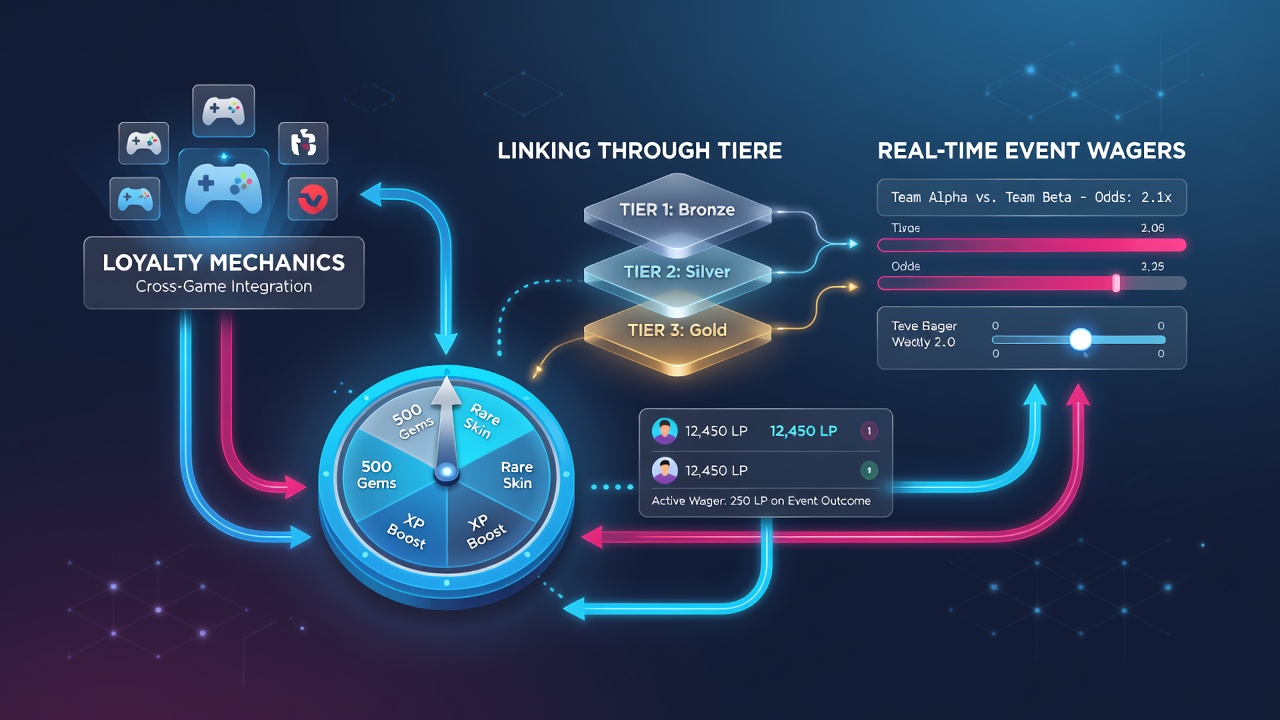
One study revealed that operators running multi-vertical apps have begun displaying unified progress bars that track both spinner activity and sports wager volume toward the next loyalty tier. Take a platform that assigns bronze, silver, and gold levels: bronze accounts receive standard transfer speeds, silver accounts gain access to reduced network fees, and gold accounts benefit from instant internal credit issuance before blockchain confirmation completes. Those who've examined transaction logs report that the majority of conversions happen during evening hours when live events overlap with peak slot play, suggesting the mechanics encourage session extension across product lines.
Industry associations in North America and Europe have begun collecting aggregate data on these cross-game flows, and early releases show measurable increases in average revenue per user when loyalty systems connect spinner rewards to live-event markets. The same reports note that platforms must maintain separate risk controls for each tier to prevent rapid cycling of funds that could trigger responsible-gambling flags, so automated monitoring tools scan transfer patterns in addition to wager amounts.
Conclusion
Tiered crypto transfers now serve as the technical backbone that lets virtual spinner rewards flow into real-time event wagers within unified loyalty programs. As compliance deadlines approach in mid-2026 across multiple regions, platforms continue refining the speed, transparency, and auditability of these connections. The mechanics rely on graduated account levels, real-time ledger updates, and blockchain settlement channels that together reduce the time between earning and spending across game categories. Data from payment and gaming research sources continues to track adoption rates as operators adjust systems to meet both technical standards and player expectations for seamless movement of value.