Blockchain-Enabled Transfers Streamlining Mobile Shifts from Blackjack to Soccer Betting Accumulators
Finley Carter · Aug 2, 2026

Blockchain-Enabled Transfers Streamlining Mobile Shifts from Blackjack to Soccer Betting Accumulators
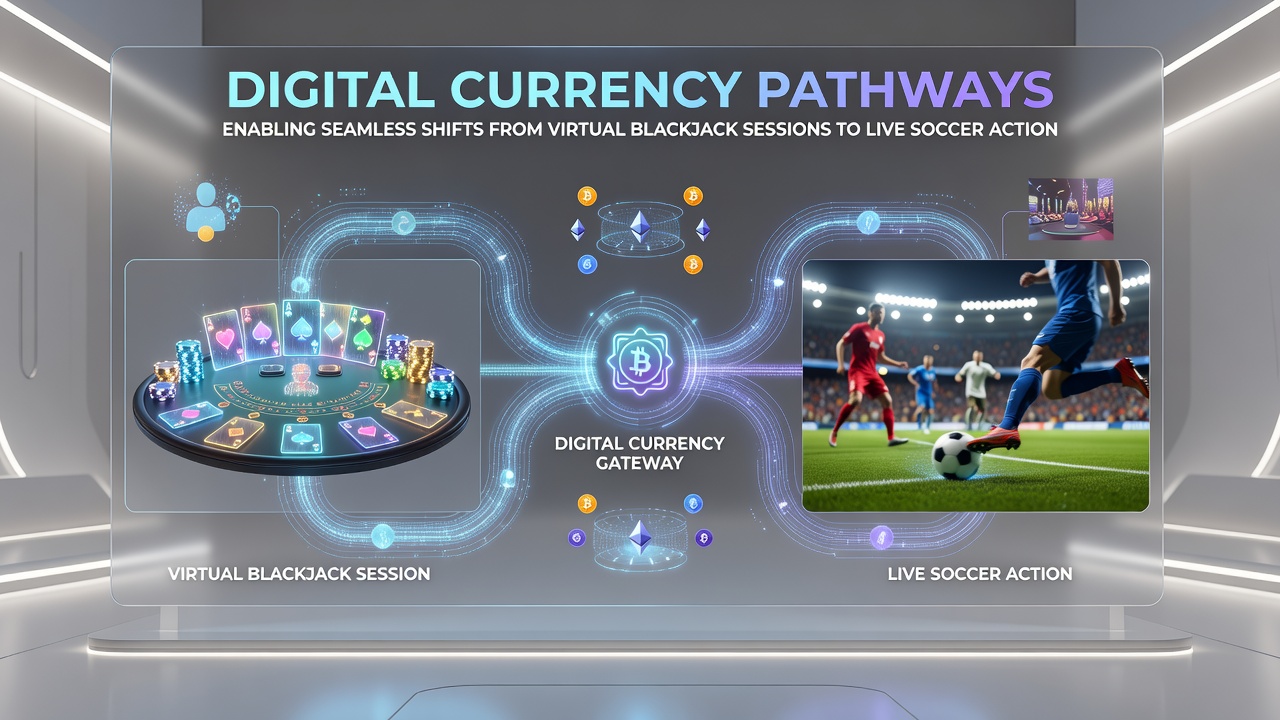
Digital currencies have opened pathways that let users move from virtual blackjack sessions straight into live soccer accumulator bets without leaving their handheld platforms, and industry data shows this integration relies on wallet connectivity plus blockchain settlement speeds that reduce processing times from hours to seconds. Observers note that platforms built around cryptocurrencies such as Bitcoin, Ethereum, and stablecoins now embed deposit functions directly into the same interface that hosts table games and sportsbooks, which means a player can finish one hand at blackjack, top up an accumulator stake, and confirm the wager through a single app flow.
Wallet Integration and Instant Settlement Mechanics
Research from academic institutions indicates that blockchain networks process transactions in under a minute when users select low-fee protocols, and this speed supports the shift between casino play and sports markets because funds appear in betting accounts almost immediately after confirmation. Those who have examined transaction logs on major mobile platforms report that crypto deposits bypass traditional banking delays, which previously required 24 to 72 hours for clearance, while withdrawal requests to external wallets complete in similar short windows once verification steps finish.
Cross-Game Bonus Activation Through Shared Ledgers
Figures from trade associations reveal that many operators now link promotional credits across game categories via unified ledgers, so a bonus earned during blackjack rounds converts automatically into stake credit for soccer accumulators when the user selects the sports tab. This linkage works because the underlying wallet address remains constant across sections of the app, and smart contract rules trigger the transfer without requiring separate claims or additional logins.
But here's the thing: regulatory bodies in multiple regions track these flows to ensure compliance with anti-money-laundering standards, and data from Canadian provincial oversight agencies shows that licensed operators must maintain audit trails that record every currency conversion and game transition. In August 2026 several platforms updated their reporting dashboards to flag rapid switches between high-volume blackjack play and accumulator construction, which helps authorities monitor patterns without slowing user experience.
Regional Regulatory Approaches and Technology Adoption
According to reports issued by the Australian Communications and Media Authority, operators must demonstrate that digital currency pathways include real-time identity checks before funds move between game types, and this requirement has led developers to embed biometric verification steps that activate only when users cross from casino to sports modules. Those checks occur in the background on most handheld devices, which keeps the transition feeling seamless while satisfying local rules on player protection.
What's interesting is how academic studies on transaction efficiency highlight that stablecoin usage reduces volatility risks during these switches, because the value stays pegged to fiat currencies and avoids the price swings that once discouraged bettors from moving winnings directly into new wagers. One university research paper documented that platforms offering stablecoin options recorded higher session continuation rates between table games and sports betting compared with those limited to volatile cryptocurrencies.
Security Protocols and User Authentication Layers
Industry organizations such as the European Gaming and Betting Association have published guidelines that recommend multi-signature wallet approvals for transfers exceeding certain thresholds, and these measures prevent unauthorized moves from blackjack balances into soccer markets while still allowing quick authorized shifts. Handheld platforms implement these approvals through push notifications that users confirm with a fingerprint or facial scan, and the entire sequence completes before the next betting market updates.
Yet platform logs examined by independent analysts show that most users complete the journey from virtual blackjack to accumulator placement in under ninety seconds when both games sit inside the same application, and this timing stems from pre-loaded wallet balances rather than repeated external transfers. Observers note that cached session data further accelerates the process because the app retains game history and balance snapshots across tabs without fresh server calls each time.
Future Infrastructure Developments Expected by Late 2026
Projections from research institutions suggest that layer-two blockchain solutions will cut confirmation times even further by August 2026, which could allow micro-transfers between blackjack winnings and live soccer bets during active matches without noticeable pauses. Developers are already testing these upgrades on select handheld platforms, and early results indicate that settlement latency drops below ten seconds for standard accumulator stakes.
Conclusion
Digital currency pathways continue to reshape how handheld users navigate between virtual blackjack sessions and live soccer accumulators because integrated wallets, fast settlements, and shared ledgers remove traditional friction points. Regulatory frameworks across regions enforce transparency measures that protect these flows while preserving the speed users expect, and ongoing infrastructure improvements point toward even tighter integration in the months ahead. Data from multiple sources confirms that these mechanisms operate within licensed environments where transaction records remain accessible for oversight without interrupting the betting sequence itself.